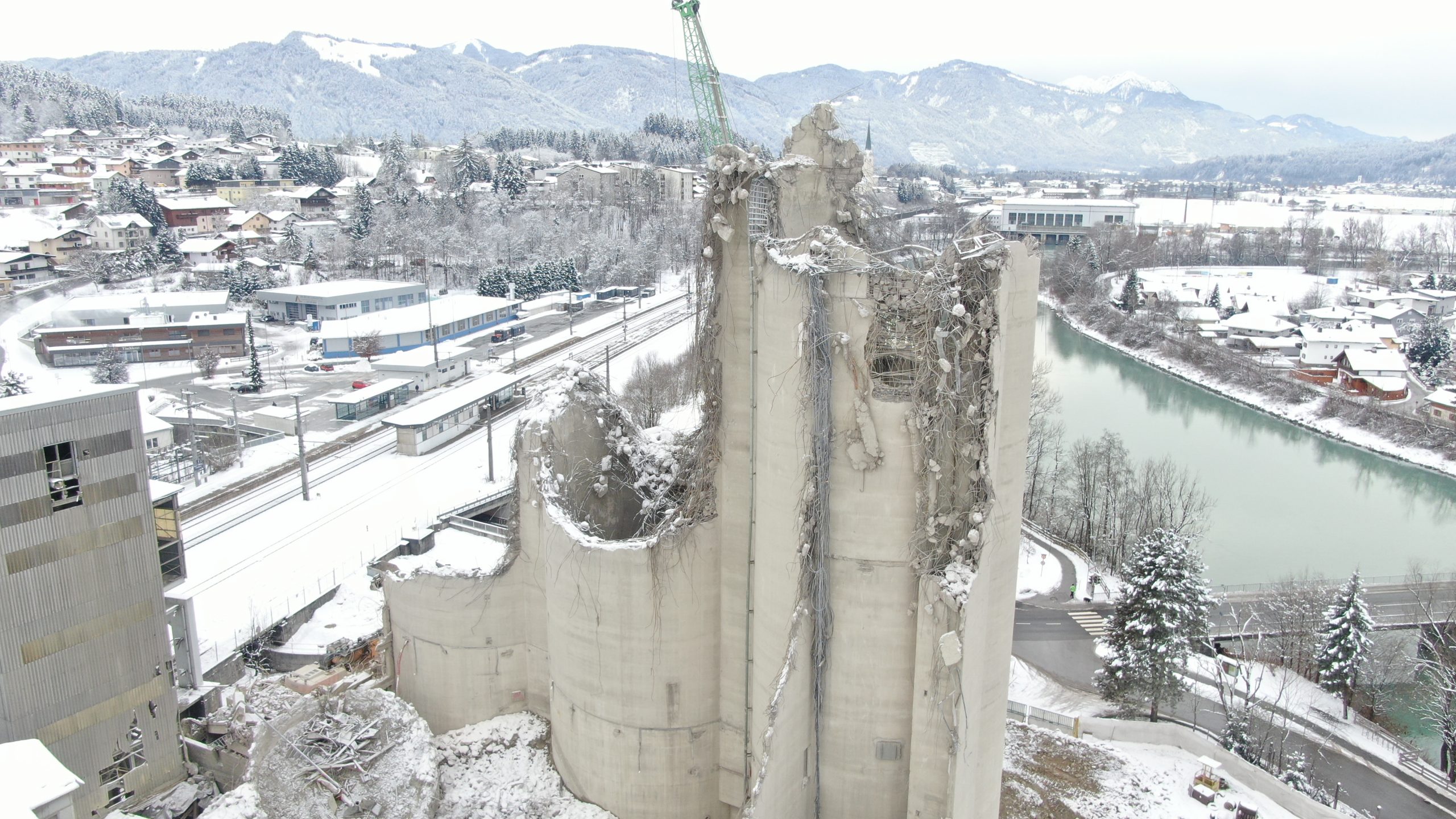
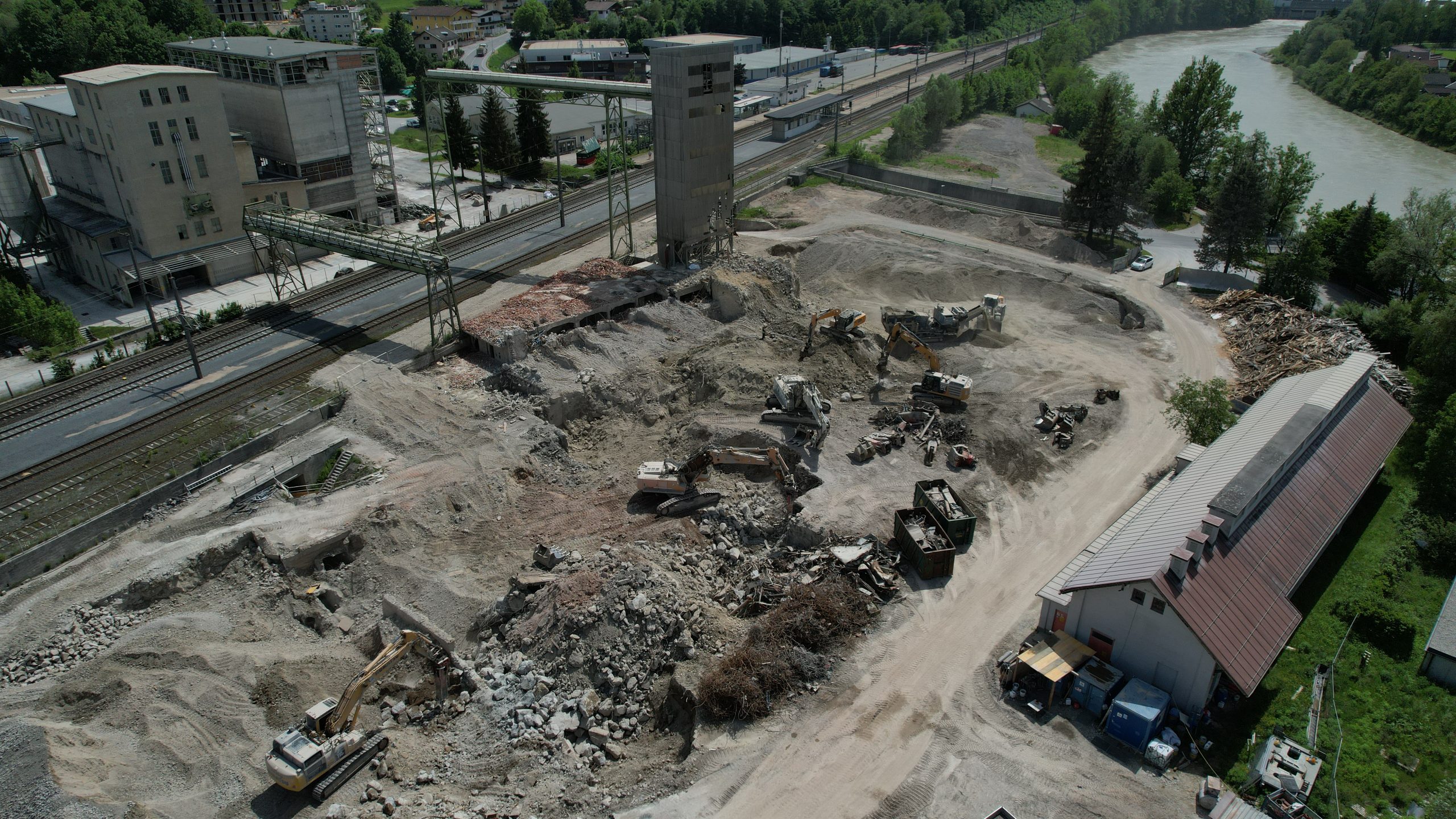
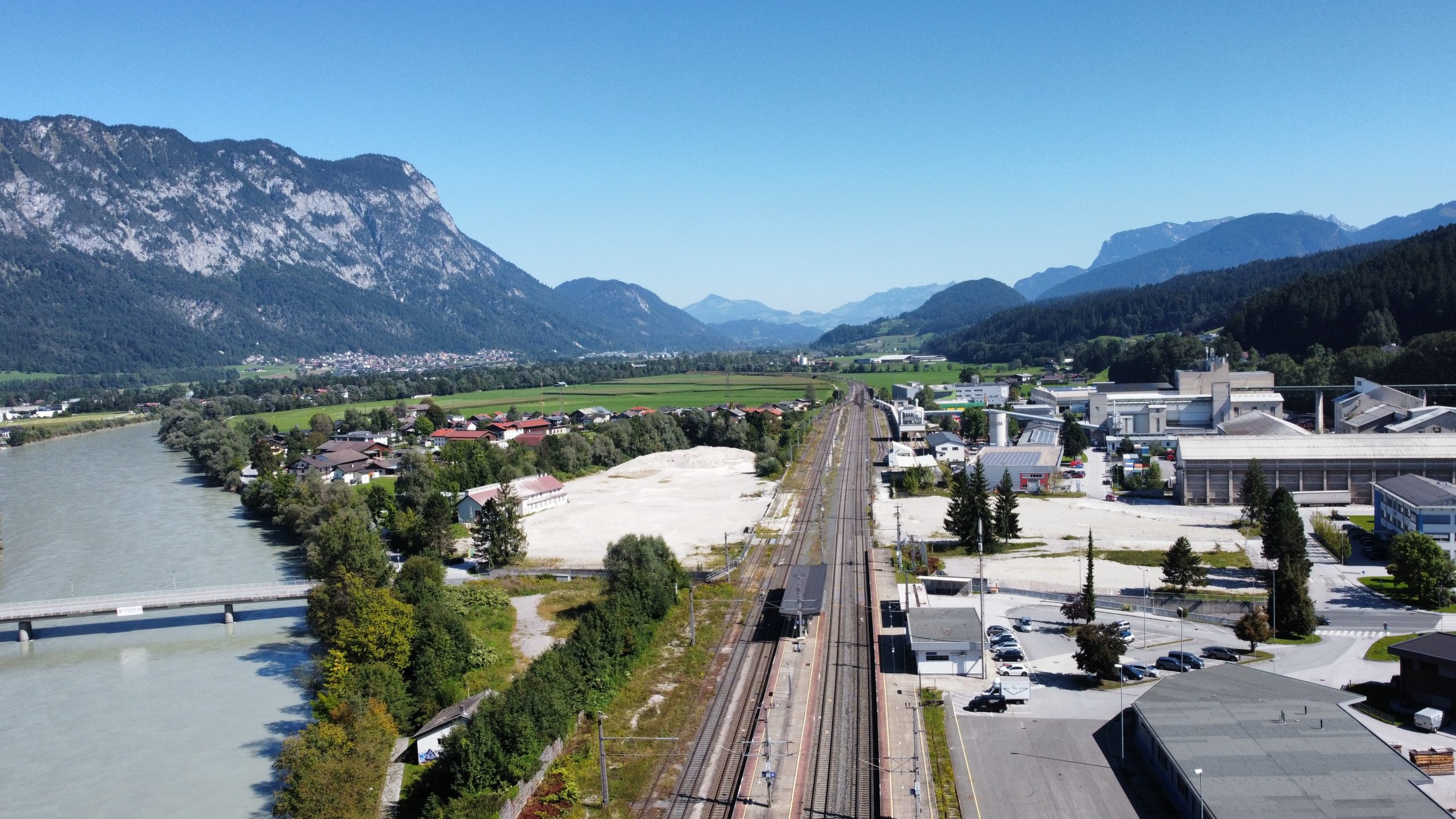
With the completion of the technically highly demanding demolition project at the Perlmooserstraße cement plant, an important milestone toward the realization of the new development was achieved in October 2022. Until construction of the new development begins, the partially operational transformer building located on the northern section of the site will remain in place. This structure will subsequently be replaced by a new, modern transformer station, after which the existing building will be dismantled accordingly.
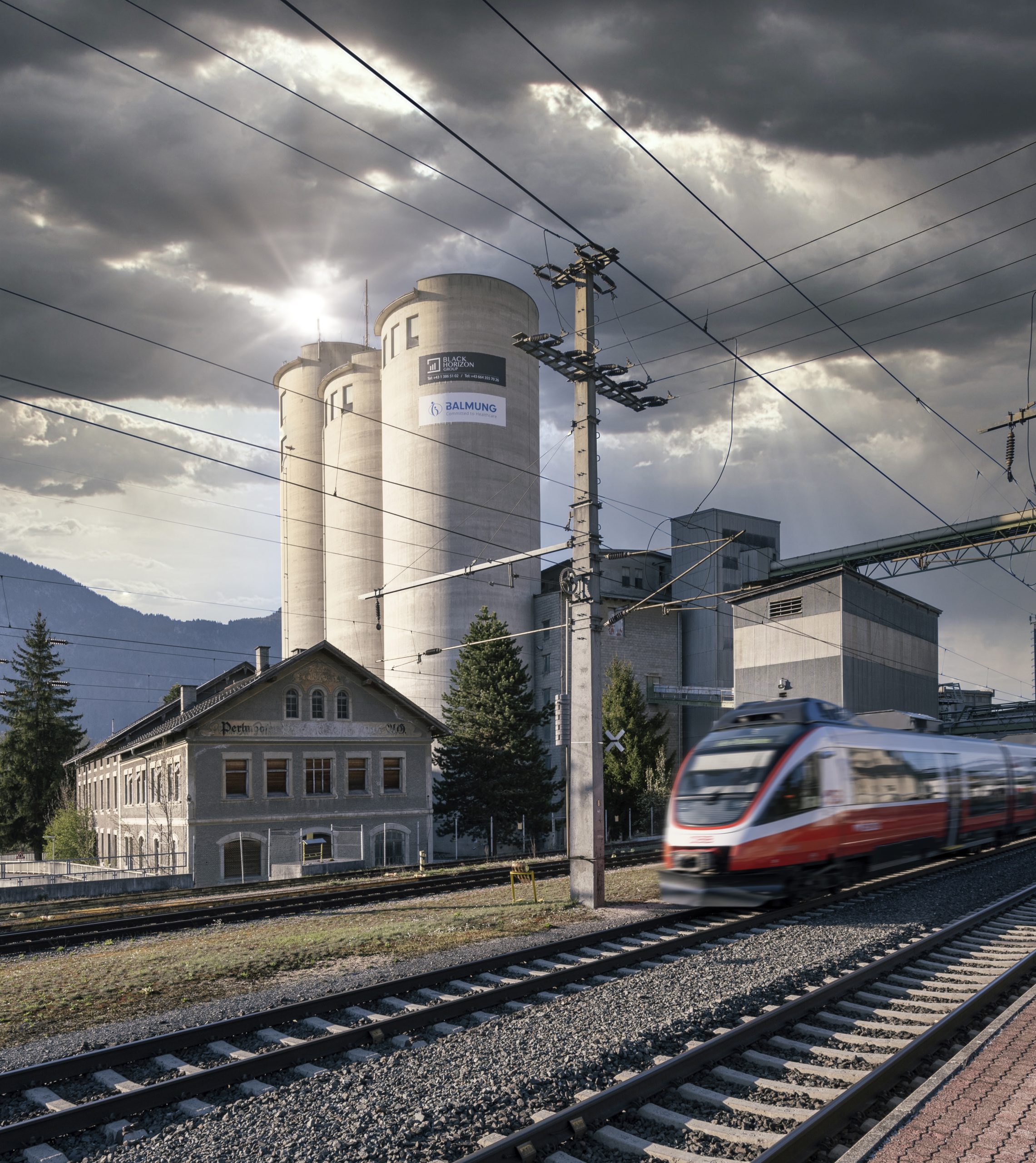
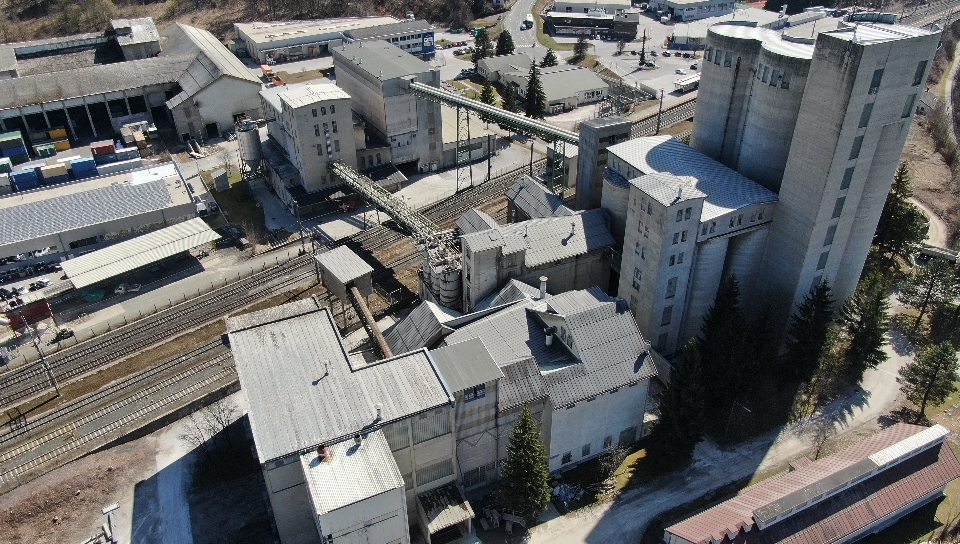
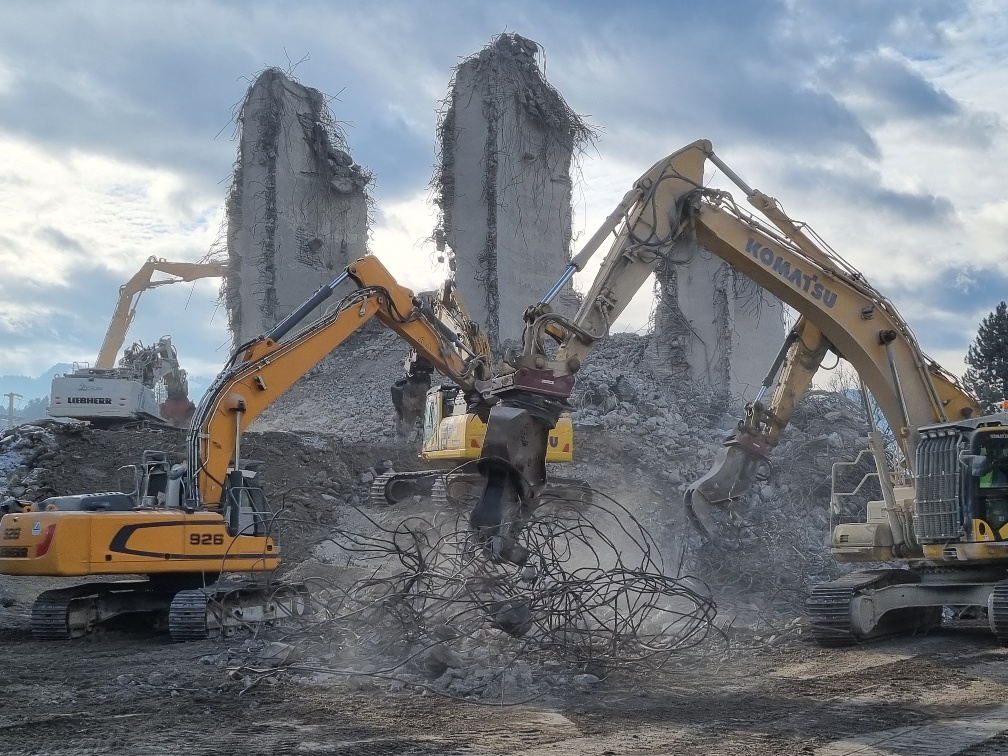
The original structures, comprising approximately 214,000 cubic meters of built volume, working heights of over 60 meters, and foundation thicknesses of nearly 6 meters, represented one of the largest and most complex demolition sites in the country at the time. In order to dismantle massive structures such as the distinctive silo towers, rare specialized equipment had to be deployed, including the Sennebogen 6130 HD, a 130-ton heavy-duty cable excavator, as well as the Liebherr R 960 Demolition—the largest demolition excavator in the country, with a reach of 36.5 meters.
A particular challenge was the removal of the former conveyor bridges, which spanned the ÖBB main railway line and carried the overhead power lines. As work in the immediate danger zone of the main track could only be carried out during a complete closure of the entire rail line, the two conveyor bridges had to be dismantled in full during two three-hour nighttime time windows, following months of detailed planning and under strict regulatory conditions. This work was carried out under extremely adverse weather conditions using a 500-ton crane operated by Felbermayr.
Throughout the demolition period, approximately 120,000 tons of high-quality, reusable concrete recycling material were produced by crushing the concrete elements and separating them from the steel. In addition, the entire project was accompanied by ecological specialists to ensure the proper disposal of potentially hazardous substances and to guarantee that the site was free of contaminants upon completion of the demolition works.
The original structures, comprising approximately 214,000 cubic meters of built volume, working heights of over 60 meters, and foundation thicknesses of nearly 6 meters, represented one of the largest and most complex demolition sites in the country at the time. In order to dismantle massive structures such as the distinctive silo towers, rare specialized equipment had to be deployed, including the Sennebogen 6130 HD, a 130-ton heavy-duty cable excavator, as well as the Liebherr R 960 Demolition—the largest demolition excavator in the country, with a reach of 36.5 meters.
A particular challenge was the removal of the former conveyor bridges, which spanned the ÖBB main railway line and carried the overhead power lines. As work in the immediate danger zone of the main track could only be carried out during a complete closure of the entire rail line, the two conveyor bridges had to be dismantled in full during two three-hour nighttime time windows, following months of detailed planning and under strict regulatory conditions. This work was carried out under extremely adverse weather conditions using a 500-ton crane operated by Felbermayr.
Throughout the demolition period, approximately 120,000 tons of high-quality, reusable concrete recycling material were produced by crushing the concrete elements and separating them from the steel. In addition, the entire project was accompanied by ecological specialists to ensure the proper disposal of potentially hazardous substances and to guarantee that the site was free of contaminants upon completion of the demolition works.